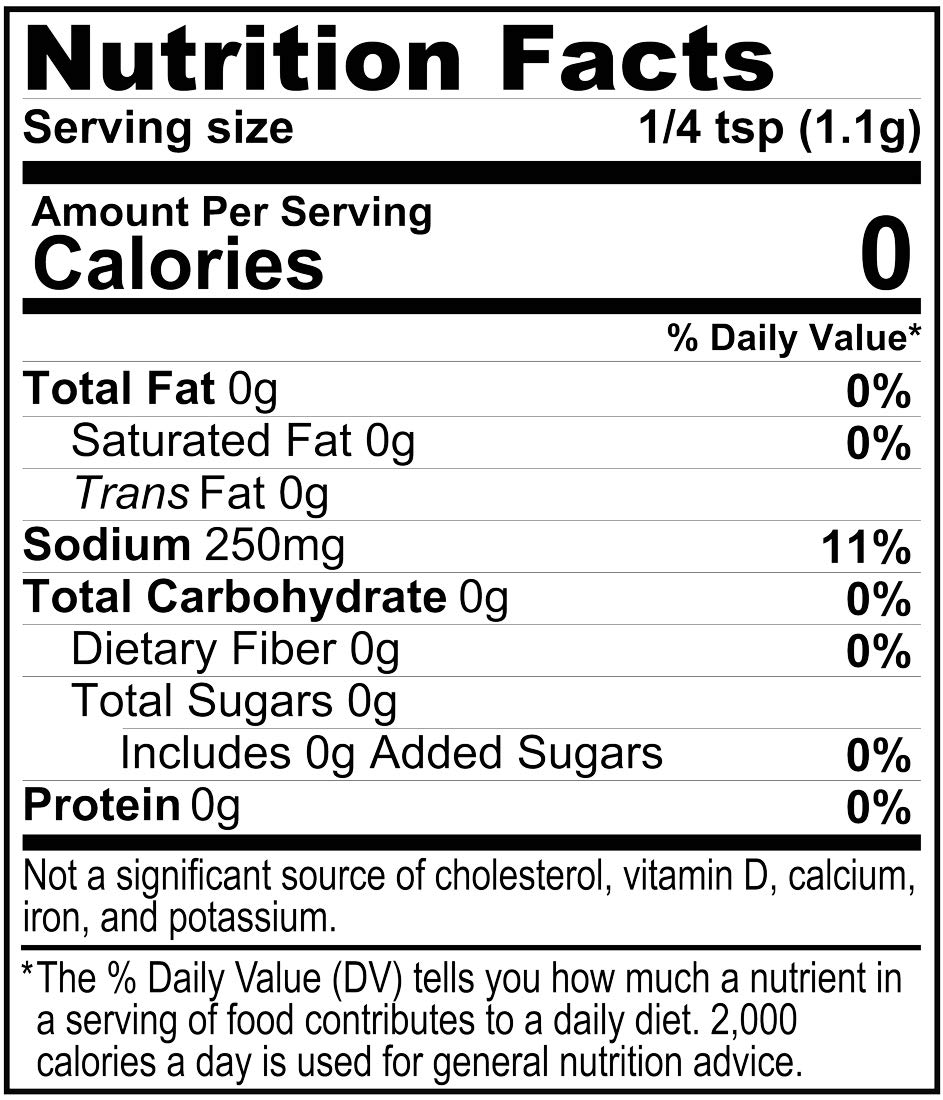
Smoked sea salt is exactly what it sounds like: real sea salt — harvested from ocean water, not mined from underground deposits — that has been cold-smoked or warm-smoked over burning wood until the salt crystals absorb the aromatic compounds from the smoke. Think of it as a seasoning that carries two jobs at once: the mineral salinity of the salt itself, plus a layered wood-smoke character that no liquid smoke product can quite replicate. For anyone who has ever wished their grilled steak carried a little more of that campfire depth, or wanted to finish a piece of salmon with something more complex than plain flakes, smoked salt is the practical answer sitting on the shelf. This guide cuts through the noise — there are dozens of smoked salts on the market right now, ranging from $12 grocery-store tins to $45 artisan imports — and gives you a clear framework for choosing by wood type, crystal size, and the specific flavor outcome you are actually trying to achieve.
If you already own a Maldon or a Fleur de Sel and are ready to add smoked salt to the rotation, this is the article to read before you spend money. We will name specific products, show the tradeoffs, and end with a decision rule you can apply today.
| EDITOR'S PICKSmoked Sea Salt Sampler Set – 6… | Mid-tierAlderwood Smoked Sea Salt 5 oz.… | Budget pickCherrywood Smoked Sea Salt - 5… | |
|---|---|---|---|
| Pack Count | 6 | 1 | 1 |
| Size per Unit | 0.5 oz | 5 oz | 5 oz |
| Wood Type | Variety | Alderwood | Cherrywood |
| Grain Size | — | — | Fine Grain |
| Gift Suitable | ✓ | — | — |
| Price | $21.99 | $8.95 | $8.45 |
| See on Amazon → | See on Amazon → | See on Amazon → |
Why Wood Type Is the Variable Most Buyers Ignore
Most shoppers picking up a smoked salt for the first time focus on price or brand and skim past the wood source. That is a mistake, because the wood is the entire flavor personality of the product. Smoke from different woods produces different aromatic compounds — primarily guaiacol (responsible for that medicinal, bacon-like depth), syringol (earthier, almost leather-adjacent), and various phenols that land on the palate as sweet, sharp, or resinous depending on the tree species.
Here is the practical breakdown, organized by the flavor register each wood produces:
Alder — the lightest hand. Alder smoke is delicate and slightly sweet, with almost no bitterness. Saltverk, the Icelandic producer that uses geothermal energy to evaporate seawater, produces a well-regarded alder-smoked variant that reviewers across food publications consistently describe as the most food-versatile option in its price range. It will not overpower white fish, chicken, or fresh chèvre. If you are new to smoked salts and nervous about overshooting, alder is the on-ramp.
Birch — structured sweetness with a resinous edge. Saltverk’s Birch Smoked Flaky Salt ($28–$45 depending on retailer and size) is the product that put Icelandic smoked salts on the specialty-food map. Food & Wine’s coverage of artisan smoked salts highlights birch-smoked varieties as particularly effective on red meat and root vegetables because the mild resinous note reads as complexity without aggression. Birch sits between alder and hickory on the intensity scale — assertive enough to hold up on a ribeye, controlled enough for a finishing salt role on roasted beets.
Oak — the workhorse. Oak smoke is familiar because it is the backbone of most American barbecue traditions. Oak-smoked salts tend to be more widely available and sit at the lower-to-mid price point ($12–$22) because oak is abundant. The flavor is reliable: medium intensity, slightly tannic, a good complement to pork and lamb. The trade-off is that oak-smoked salts rarely offer the “provenance story” that makes a salt interesting at the table — they are workhorses, not conversation pieces.
Hickory — assertive, not subtle. Hickory smoke is polarizing. It produces a strong, almost meaty aromatic profile that works brilliantly on brisket rubs or incorporated into a compound butter for a burger, but can easily overwhelm delicate proteins or anything you planned to finish elegantly. Tasting Table’s overview of finishing salts notes that hickory-smoked salt is best treated as a background seasoning or rub component rather than a pure finishing salt. If you are building a smoked-salt pantry, hickory is probably your third purchase, not your first.
Cherrywood and applewood — fruit-wood finesse. These woods produce the sweetest smoke profiles, and the resulting salts carry a distinct fruity-smoke note that works particularly well with duck, pork belly, and soft cheeses. They are less common in the specialty-salt market than birch or alder, so availability can vary seasonally. When you find them — SaltWorks carries cherry-smoked variants periodically — they tend to be worth the purchase if pork is a regular project in your kitchen.
Crystal Size Changes the Eating Experience, Not Just the Look
Once you have narrowed your wood choice, crystal size is the next real decision — and it is not cosmetic. Serious Eats’ deep dive on salt science makes the point clearly: crystal size governs dissolution rate, which governs how and when you taste the salt on the food. Larger flakes dissolve more slowly and deliver bursts of flavor as you chew. Fine-grain smoked salts dissolve almost instantly and integrate into the overall seasoning profile rather than punctuating it.
Flaky crystal (like Maldon or Saltverk’s smoked flakes): Use as a finishing salt, applied after cooking. The large surface area means the smoke aroma is maximally exposed — you get the most aromatic bang per gram. These are the salts you reach for when the salt is part of the visual presentation: a few flakes on a seared scallop, a pinch over a wood-fired flatbread just before serving. Saveur’s guide to finishing salts consistently positions flaky-crystal smoked salts as the tier where presentation and flavor meet.
Medium grain (most American-produced smoked salts): Versatile. Works as a finishing salt or incorporated into a dry rub where you want a little textural presence without the dramatic visual of a full flake. This is the format you will find in most grocery-specialty-store smoked salts at the $12–$20 price point. Fine Cooking’s finishing-salt primer notes that medium-grain salts are the most forgiving format for home cooks because they are harder to over-apply than fine-grain varieties.
Fine grain (smoked fleur de sel, powdered smoked salts): These are rub-and-brine territory. Fine-grain smoked salt dissolves readily, making it practical for seasoning meat before a long cook or whisking into a marinade. If your primary use case is a 24-hour dry brine on a pork shoulder or incorporating into a compound butter that will be sliced over steak, fine-grain smoked salt gives you even distribution without the visual drama of a flake. The trade-off: you lose the textural pop that makes a finishing salt worth having.
By the Numbers: Quick Orientation on the Smoked Salt Market
| Format | Typical Price Range | Best Primary Use |
|---|---|---|
| Artisan flaky (Saltverk Birch, alder) | $28–$45 | Finishing; presentation plating |
| Mid-market medium grain | $12–$22 | Rubs; everyday grilling seasoning |
| Gift-set smoked salt (Jacobsen infused, SaltWorks curated sets) | $40–$80+ | Gifting; tasting flights |
| Rare / limited-run smoked harvest | $60–$120+ | Collector; serious charcuterie programs |
Pricing sourced from current direct-producer and major specialty-retail listings as of May 2026.
Matching Smoked Salt to the Actual Dish: A Practical Decision Frame
This is where practitioners run into trouble: they have the right salt but apply it in the wrong context. Here is how to think about the pairing systematically.
Beef (steaks, burgers, brisket): You want medium-to-high smoke intensity and enough crystal presence to survive the fat. Birch or oak flake is the move here. Apply after the rest — not during the sear, where the delicate aromatic compounds will volatilize before anyone tastes them. A finishing application on a resting ribeye, for example, gives you the smoke aroma intact because the crystal never hits the pan.
Pork (chops, tenderloin, belly): Pork’s sweetness welcomes fruitwood smoke. Cherry or applewood smoked salt applied as a finishing flake is a natural match. For long-cooked preparations like a smoked pork shoulder, a fine-grain hickory or oak smoked salt in the dry brine (applied 24–48 hours out) adds a reinforcing smoke layer without competing with the actual smoke from the cooker.
Fish and shellfish: Alder. Almost always alder. The delicacy of salmon, halibut, or scallops requires the lightest smoke hand, and alder is the only wood that reliably does not fight the fish. Apply as a flake, just before serving. Saltverk’s alder variant is the one most frequently cited in professional-chef contexts for exactly this application, per Food & Wine’s smoked-salt feature.
Vegetables and plant-forward dishes: Smoked salt is one of the most underused tools in vegetable cookery. A pinch of birch-smoked flake over roasted cauliflower, charred leeks, or a warm lentil dish reads as a depth that is hard to explain but obvious to anyone eating it. The smoke bridges the vegetable’s natural earthiness with a char note that suggests more cooking than actually happened.
Cheese boards and charcuterie: This is where a premium, story-forward smoked salt earns its keep in a professional or entertaining context. A few flakes of Saltverk Birch on a wedge of aged Manchego or alongside a cured meat board gives guests a discovery moment. It is also where the provenance story — Icelandic seawater, geothermal process, birch forests — becomes part of the experience you are curating.
The Decision Rule
If you are buying one smoked salt for the season, buy a birch or alder flaky salt in the $28–$45 range. It covers the widest range of applications without demanding expert calibration — you can finish a steak, elevate a vegetable dish, and put it on a cheese board without worrying about over-smoking the food. Saltverk’s Birch Smoked Flaky Salt is the most consistently reviewed option in this tier across Saveur, Tasting Table, and Food & Wine coverage, and the geothermal production story holds up at the dinner table.
If beef and pork are your primary targets and you want something more assertive, step up to a medium-grain oak or hickory smoked salt for rub work and keep a lighter flake for finishing. These are genuinely different tools, and treating them as interchangeable is how a good salt ends up in the wrong moment.
If you are sourcing for a professional charcuterie program or tasting-menu application where provenance is part of the plate narrative, the limited-run and single-origin smoked salts from Saltverk, Halen Môn, and occasional seasonal drops from SaltWorks and Marx Foods are worth the $60–$120+ investment — not because the flavor is proportionally more intense, but because the story and the texture are part of what you are selling at the table. For that audience, the salt is never just seasoning.
One last note: smoked salt is a finishing tool first. If you are salting pasta water or seasoning a sauce during cooking, reach for your workhorse kosher or sea salt and save the smoked variety for the moment when it can actually be tasted, intact, in the finished dish.