If you’ve ever shaken a jar of “black truffle salt” over scrambled eggs and tasted… nothing much — or opened a “smoked applewood flake” that smelled like liquid smoke in a tube — you’re not alone, and you’re not wrong to be suspicious. Infused finishing salts (salts that have been blended, cured, or smoked with a secondary flavor — herbs, citrus, mushrooms, chiles, or wood smoke) are one of the most uneven categories in the specialty food world. The good ones can genuinely change a dish. The bad ones are expensive table salt in a prettier jar. The difference almost always comes down to how the flavor got in there — and whether the crystal structure of the base salt is doing its job as a finishing element (meaning: you add it at the very end, so it lands on your tongue with texture and flavor intact, rather than dissolving into the cooking liquid and disappearing). This guide will give you a clear framework for evaluating infused salts before you buy, name some benchmarks worth knowing, and end with explicit decision rules so you can match the right product to what you’re actually cooking.
Why “Infused” Can Mean Almost Anything — and Why That Matters
The word “infused” on a salt label carries no regulatory definition. Per Fine Cooking’s archive coverage of flavored salt production, there are at least four distinct methods producers use, and they produce dramatically different results:
1. Blending (dry mix): The base salt is mixed with dried powders — truffle powder, dried citrus zest, dried herb dust. Fast and cheap. The flavor is real but often muted because powders oxidize quickly once the jar is opened. Most of the disappointing truffle salts live here.
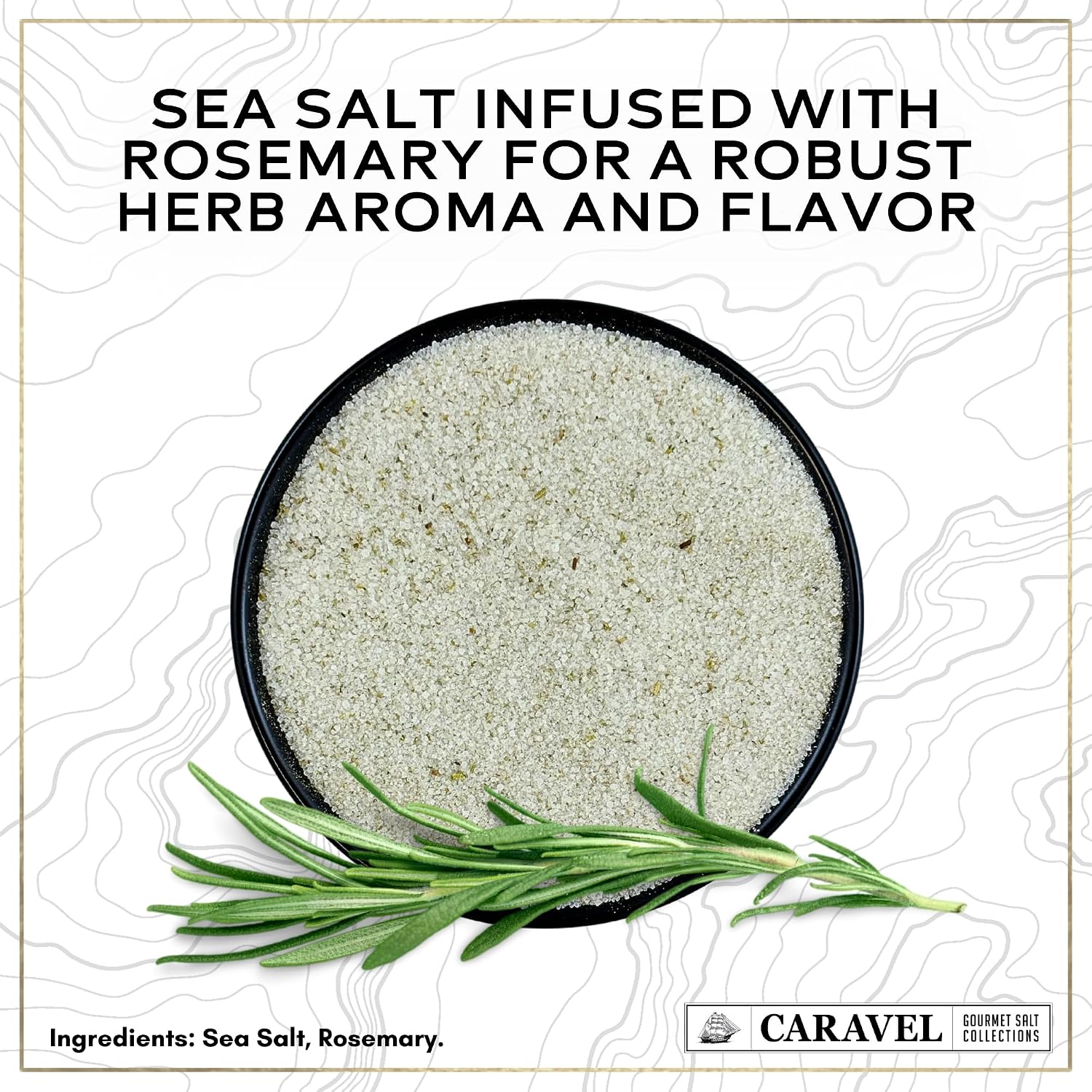
2. Curing (wet infusion, then dehydration): Fresh or high-moisture ingredients — citrus peel, rosemary, dried mushroom — are combined with the salt and allowed to cure, transferring oils and volatile compounds into the crystal surface, then dried down. This produces a noticeably more coherent flavor because the aromatic compounds are physically bonded to the salt rather than sitting next to it. Jacobsen Salt Co.’s infused line uses this approach for several of their herb salts, which is a big part of why reviewers consistently describe them as “actually tasting like the thing on the label.”
3. Smoking: The base salt is cold-smoked or hot-smoked over real wood — birch, alder, hickory, cherrywood — for hours or days. The difference between real-smoked salt and artificially smoked salt (liquid smoke sprayed on) is dramatic. Saltverk’s Birch Smoked Flaky Salt, produced in Iceland over geothermal energy and birch wood, is a benchmark here. Aggregated reviews across specialty food retailers describe it as “campfire-complex without being acrid” — a result of slow cold-smoking rather than the spray-on shortcut.
4. Layered mineral blending: Less common and more specialized — mixing a base finishing salt with mineral-rich additions like activated charcoal (Hawaiian black lava), red alaea clay (Hawaiian red clay salt), or volcanic materials to alter both color and subtle mineral flavor. These aren’t “flavored” in the herb-and-spice sense, but they belong in the infused conversation because buyers often encounter them in the same shopping context.
Knowing which method was used is your single best filter. Most quality producers will tell you. If the label or product page doesn’t mention it, that’s information too.
The Flavor-Delivery Problem: Crystal Structure Isn’t Just Texture
Here’s the piece most buying guides skip. Even if the infusion process is excellent, the base salt’s crystal structure determines whether you’ll actually taste the flavor — or whether it’ll melt away before it registers.
Finishing salts (as opposed to kosher or table salt you’d use during cooking) are meant to be added at the plate. Maldon’s famous pyramid flakes, for example, dissolve slowly on the tongue, which is why they feel “brighter” and more impactful than fine-grain salt at the same volume. When you infuse a large, slow-dissolving flake with rosemary oil or citrus zest, the flavor has time to land before the salt dissolves — you taste salt and herb as a unified moment.
Fine-grain infused salts can work, but they dissolve so fast the flavor window is narrow. This is why the best-reviewed infused salts almost universally use flake or coarse crystal bases. Serious Eats’ reference material on salt in cooking describes the dissolution rate of different crystal forms and confirms that large flakes create a more perceptible flavor event than fine salt at equivalent sodium content.
Practical implication: An infused salt in fine-grain format isn’t automatically bad, but it’s much harder to use as a finishing element. It’s better suited for mixing into batters or rubs — which means you’re paying finishing-salt prices for a workhorse product. Know what format you’re buying before you commit.
By the Numbers: What You’re Actually Paying For
| Price tier | Typical format | Common infusion method | Flavor fidelity (per aggregated reviews) |
|---|---|---|---|
| $8–$16 | Fine grain | Dry blend | Low–moderate; fades quickly after opening |
| $18–$30 | Coarse or flake | Cure or blend | Moderate–high; varies widely by producer |
| $30–$50 | Flake, limited harvest | Cold-smoked or wet cure | High; most consistent in this tier |
| $55–$120+ | Single-origin flake | Artisan-smoked or estate cure | Highest; provenance and method verified |
Benchmarks Worth Knowing (and Why Each One Works)
Rather than a ranked list, these are reference points — products that reviewers and culinary professionals return to consistently as examples of infusion done correctly.
Jacobsen Salt Co. Infused Salts (~$22–$38, direct and Williams Sonoma): Jacobsen uses a wet-cure process for most of their herb and botanical salts, and the results hold up. Their Pinot Noir Smoked Salt and Cherrywood Smoked Flake are particularly well-regarded in the Food & Wine 2025 finishing salts roundup, which notes that the smoke reads as “specific” — meaning you can identify the wood type — rather than generic. For home cooks building an infused pantry for the first time, Jacobsen is a low-risk entry point because the flavor delivery is reliable and the company is transparent about method.
Saltverk Birch Smoked Flaky Salt (~$28–$45): The provenance story here is genuinely distinctive — produced in the Westfjords of Iceland using geothermal brine and smoked over Icelandic birch. Saveur’s finishing salts guide highlights it as one of the few smoked salts where the smoke character doesn’t overwhelm a delicate protein. Reviewers consistently describe it as the right finishing salt for fatty fish, lamb, and dark chocolate desserts. The flake size is generous, which means the smoke has time to register before the salt dissolves.
Halen Môn Smoked Sea Salt (~$18–$26, specialty importers): Produced in Wales on the Menai Strait, Halen Môn cold-smokes their flake salt over oak. Aggregated reviews from specialty food buyers describe the smoke as “clean and dry” — closer to a bonfire than a barbecue, which makes it versatile across savory and sweet applications. It’s meaningfully cheaper than Saltverk at most retailers, which makes it worth knowing as your “daily driver” smoked salt if you’re going through volume.
Flavored salts with truffle — a special note: Truffle salt is probably the most-purchased and most-disappointing segment of the infused salt category. The honest summary: real black truffle flavor requires either fresh truffle cured into the salt (very expensive, short shelf life) or high-quality truffle oil used in the cure (more stable, still pricey to do right). Most truffle salts in the $10–$18 range use synthetic 2,4-dithiapentane, a compound that mimics truffle’s sulfurous top note but lacks depth. If a truffle salt isn’t explicit about using real Tuber melanosporum or Tuber magnatum — and isn’t priced to reflect that ingredient — assume you’re buying the synthetic version. That’s not necessarily a dealbreaker for everyday use, but it’s worth knowing.
How to Evaluate an Infused Salt Before You Buy It
Here’s a practical checklist based on what the research consistently surfaces as the signals of quality:
Does the label name the infusion method? Wet cure, cold-smoked, and direct infusion are the phrases that indicate a producer did real work. “Natural flavors” or silence on the topic suggests a dry blend.
What’s the base salt? If the label doesn’t name a specific origin or style (fleur de sel, flake, coarse Mediterranean), it’s probably a commodity salt base. That’s not a veto, but premium pricing needs a better foundation.
What’s the package format? Tins and sealed glass jars protect volatile aromatics significantly better than plastic shakers. Fine Cooking’s archive notes that aromatic compounds in herb-infused salts can oxidize and fade within weeks in permeable packaging. A $35 infused salt in a shaker jar is a worse value than a $28 salt in a sealed tin, all else equal.
Is there a harvest date or batch number? Limited-run and seasonal infused salts that carry batch information are almost always made in smaller quantities with more care. This is especially relevant for smoky and citrus infusions, which have the shortest flavor shelf life.
The Decision Rules
If you’re building an infused salt pantry from scratch and don’t want to experiment your way through $200 in mediocre jars, here’s the logic tree:
If your primary use is finishing grilled or roasted meat: Go smoked first. Saltverk Birch for restraint and elegance; Jacobsen Cherrywood if you want something more assertive. Budget option: Halen Môn Oak Smoked.
If your primary use is fish, delicate vegetables, or anything where you want flavor without weight: Citrus-cured flake salts (lemon or yuzu) or a light herb cure (rosemary, thyme) on a large flake base. Look for wet-cure on the label. Avoid fine grain for these applications.
If you’re buying as a gift: Provenance narrative and packaging matter as much as flavor. Jacobsen’s gift-tier tins and Saltverk’s sets photograph well and carry a real story. Both clear the “genuinely distinctive” bar that separates a considered gift from a generic one.
If truffle is the use case: Spend up or skip it. The $12 truffle salts will disappoint. If the budget won’t stretch to a producer using verified real truffle, a high-quality unflavored Halen Môn or Maldon flake will serve you better than a synthetic-infused disappointment.
If you’re sourcing for a tasting menu or charcuterie program: Consistency matters more than novelty. Establish a relationship with one or two producers (Jacobsen and Saltverk both offer wholesale and bulk pricing for culinary professionals) and work with their seasonal rotation rather than chasing every new release.
The infused salt category rewards skepticism, not cynicism. The bad products are easy to dismiss once you know what to look for. The good ones — a properly cold-smoked flake dissolving slowly over a piece of seared salmon, or a citrus-cured crystal landing on a summer tomato — are worth every dollar of the price gap.